Returning organic resources to the land

We build and operate biocycle infrastructure that reliably transforms organic waste into circular resources suitable for returning to the land.

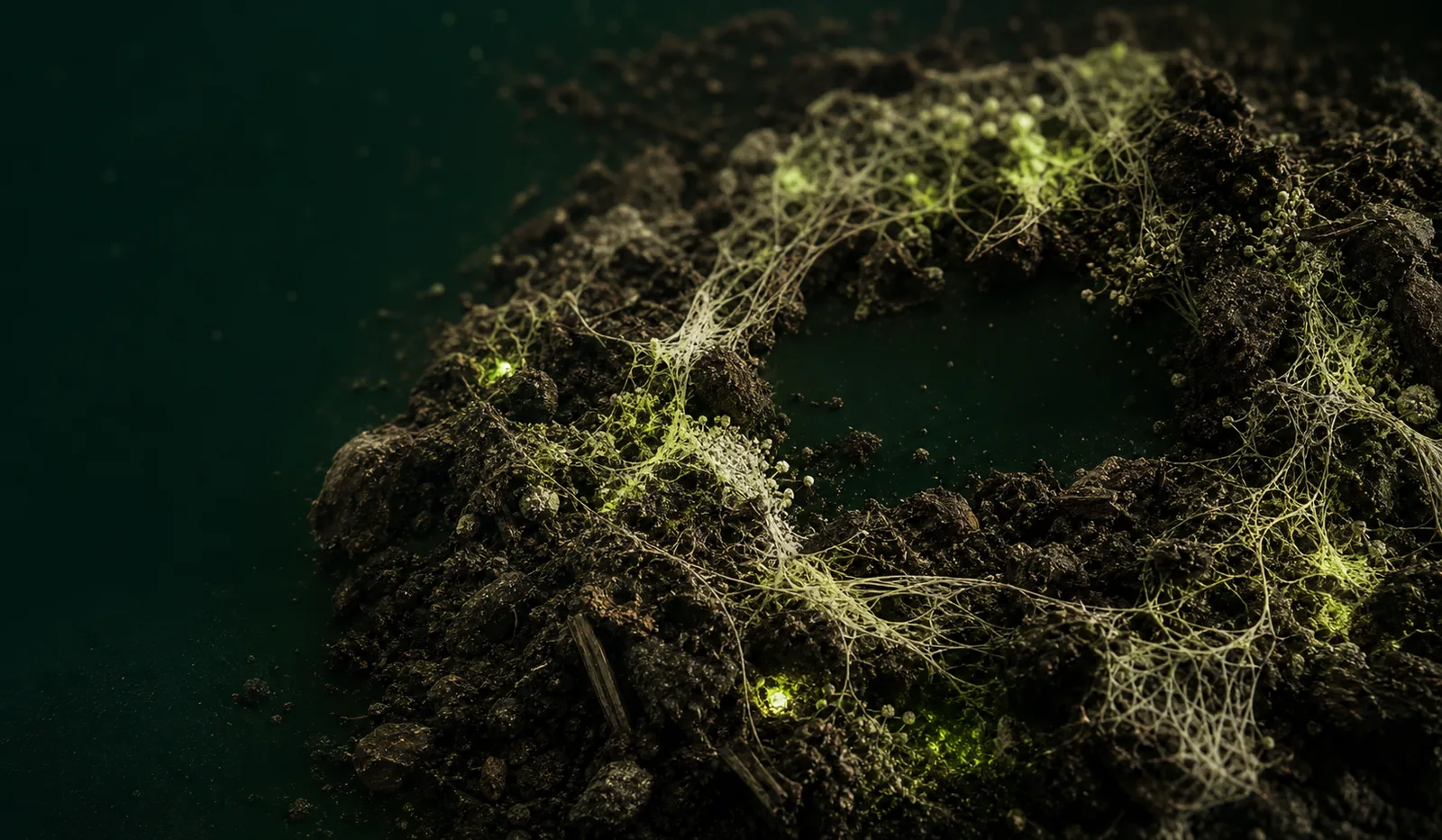
Soil organic matter and microbial cycle
Rebuild the Cycle That Heals the Earth.

Treatment EndsThe Cycle Continues

TBCT integrates biological conversion, operational stability, output quality, resource pathways and downstream applications to transform organic waste into circular resources suitable for return to land and agricultural use—supporting a biological cycle designed for long-term operation.

TBCT Biocycle Infrastructure
  1. Organic Resources

    Food service, food processing, agriculture and livestock operations generate organic residues.

  2. Biological Conversion

    iCS uses microbial conversion to transform organic residues into stabilized organic matter suitable for circular applications.

  3. Agricultural Application

    Stabilized organic matter returns to agricultural use, reconnecting soil, crops and food systems.

  4. Return to the Biological Cycle

    Agricultural use reconnects these resources with food systems and supply chains, beginning the next biological cycle.

The Value of a Working Cycle

Social and environmental value

Bring organic resources back into circulation
Promote soil health and sustainable agriculture
Support the low-carbon transition and regional environmental resilience

Enterprise and site value

Reduce processing and management complexity
Build circular pathways for stable long-term operation
Turn circular action into traceable circular outcomes

Built around real needsCircular services designed for long-term operation

Organic resource processing

Organic waste is delivered to a biocycle facility built and operated by TBCT. We manage biological conversion, process operations, output quality and downstream pathways.

BEST SUITED FOR
  • No suitable on-site treatment conditions
  • Volume or site conditions do not justify a dedicated system
  • A fast, stable and manageable service is required

On-site deployment and operations

TBCT builds and continuously operates a biocycle system at a company or public-sector site, from assessment and planning to daily operations, output quality and pathway management.

BEST SUITED FOR
  • A stable and sufficient volume of organic waste
  • A need to reduce transport, storage and site workload
  • A long-term on-site processing capability is needed

Circular application planning

TBCT plans land and agricultural applications for eligible circular resources based on organizational circularity goals, output quality and quantity, regulatory requirements, and site conditions. Through internal recirculation, supply-chain collaboration, or external farm partnerships, we build traceable circular pathways.

BEST SUITED FOR
  • Establish internal recirculation or on-site use
  • Link circular resources with supply chains, partner farms or regional agricultural applications
  • Manage resource quality, quantity, destinations, and circular outcomes
Discuss the right circular pathway
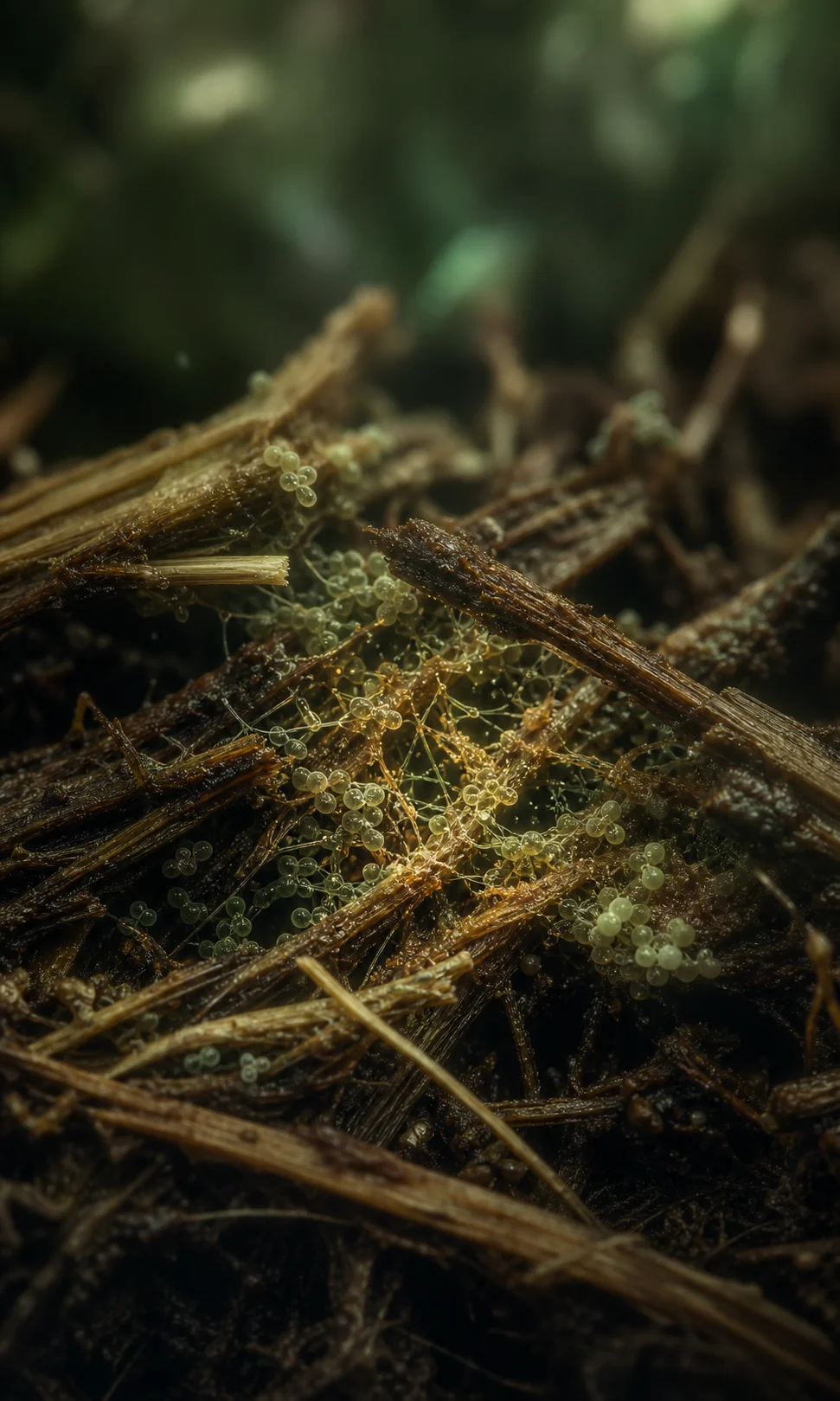
Microbial degradation of organic fibers

Intelligent biological conversion for reliable operations

iCSIntelligent Composting System

iCS is the core biological conversion system behind TBCT’s biocycle infrastructure. It combines microbial conversion, process parameter management, sensor data monitoring and data-assisted process control to maintain process stability under changing feedstock conditions while keeping energy use low.

Broad feedstock tolerance

Accommodates variations in feedstock source, composition and seasonality to support process stability and operational flexibility.

Data-assisted process control

Integrates sensor data, process parameter management and data-assisted process control.

Low-energy conversion

Uses biological conversion rather than external heating or drying as the primary treatment method.

Circular by design

Manages output quality, suitability and downstream pathways as part of system operations.

Invisible Microbes.Visible Impact.

Where organic resources existA new cycle can begin

Organic resource streams differ across sectors and sites. TBCT plans biological conversion and circular services around feedstock characteristics, processing needs and site conditions.

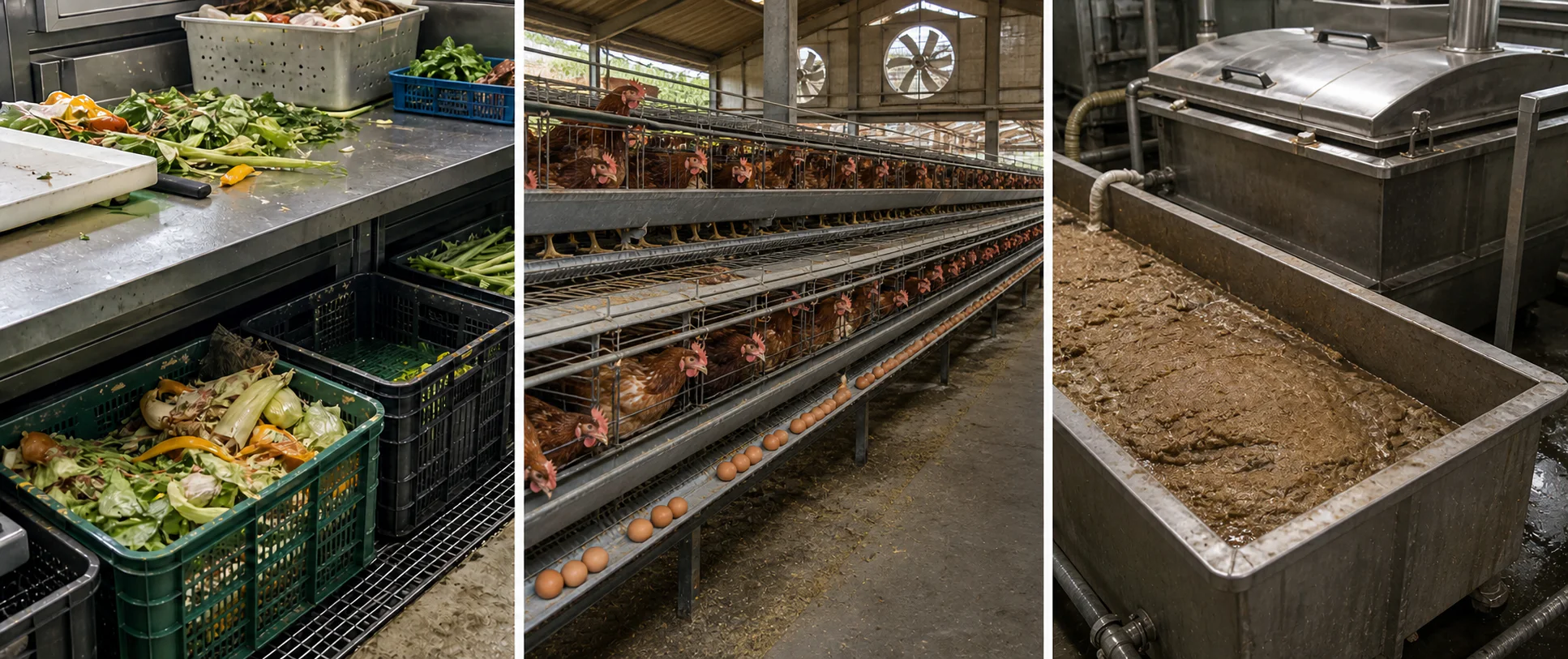
Food preparation residues, a cage-layer farm and food-industry sludge

Food waste

  • Restaurants and chains
  • Institutional catering and central kitchens
  • Schools and military sites
  • Residential communities and multi-unit housing

Agriculture & livestock

  • Agricultural by-products
  • Fruit and vegetable residues
  • Agricultural processing residues
  • Organic residues from livestock operations

Food processing

  • Food-processing sludge and by-products
  • Slaughterhouse sludge
  • Plant- and animal-derived residues

Eligible feedstocks and implementation approaches require further assessment of material characteristics, regulatory requirements, volume and site needs.

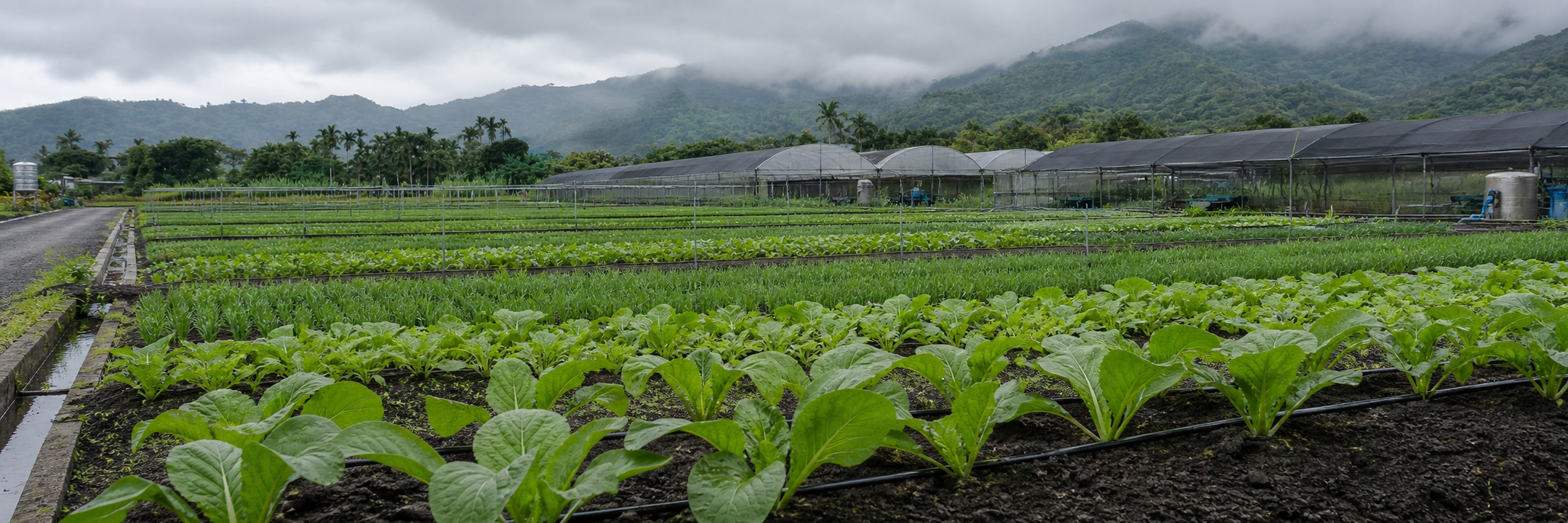
Organic matter returning to soil and supporting agricultural production

Circularity must work in the real world—and last

Taiwan BioCycle Technology (TBCT) builds and operates biocycle infrastructure that moves organic resources beyond treatment and into long-term circular applications.

VISION

Return organic resources to the land and build a biological cycle that supports the long-term coexistence of people, agriculture and the environment.

MISSION

Build and operate biocycle infrastructure that transforms organic waste in a stable, low-carbon and scalable way into circular resources that can return to the land.

Build a circular pathway designed to last

If you are evaluating organic waste processing, on-site implementation or circular applications, talk with TBCT. We will work with you to identify the right implementation approach based on your feedstock sources, processing needs, site conditions and circularity goals.